

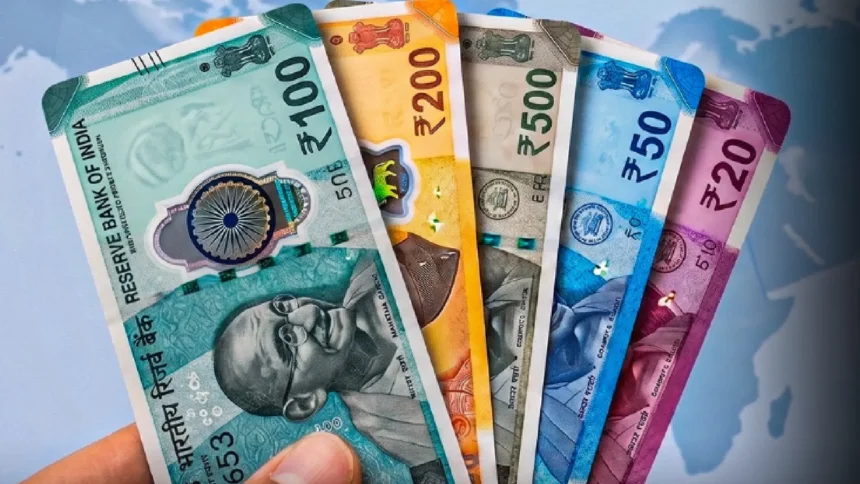
The format of Indian currency could change completely in the future. It’s quite possible that in the future, you might see plastic currency notes in your hand instead of paper. The Reserve Bank of India (RBI) is considering introducing polymer, or plastic, currency notes in the country. RBI Governor Sanjay Malhotra has acknowledged that the central bank is studying the advantages and disadvantages of plastic notes. He also clarified that this plan is still in its initial stages and no final decision has been made.
All currency notes in circulation in India are primarily made from special cotton-based paper. Polymer notes are made from a special type of plastic material. They are stronger than regular paper notes. They are less affected by water, moisture, dust, and repeated use, and do not deteriorate over a long period of time.
Starting from Australia
Australia was the first country in the world to introduce plastic banknotes. Subsequently, many countries, including Canada, the United Kingdom, New Zealand, and Singapore, adopted them. According to experts, polymer notes can last at least two to five times longer than regular paper notes. This saves money on printing new notes and exchanging old ones.
Why are plastic notes important for India?
In a country with a large population like India, the circulation of notes is very rapid. Due to varying weather conditions and constant exchange of hands, paper notes can easily become torn or soiled. Every year, the RBI has to withdraw and destroy a large number of these damaged notes, imposing an additional financial burden on the government. Compared to traditional notes, polymer notes are much more difficult to counterfeit.