


The Hantavirus outbreak has recently caused concern around the world. The virus reportedly spread on a cruise ship, and passengers have now travelled to 12–13 countries.
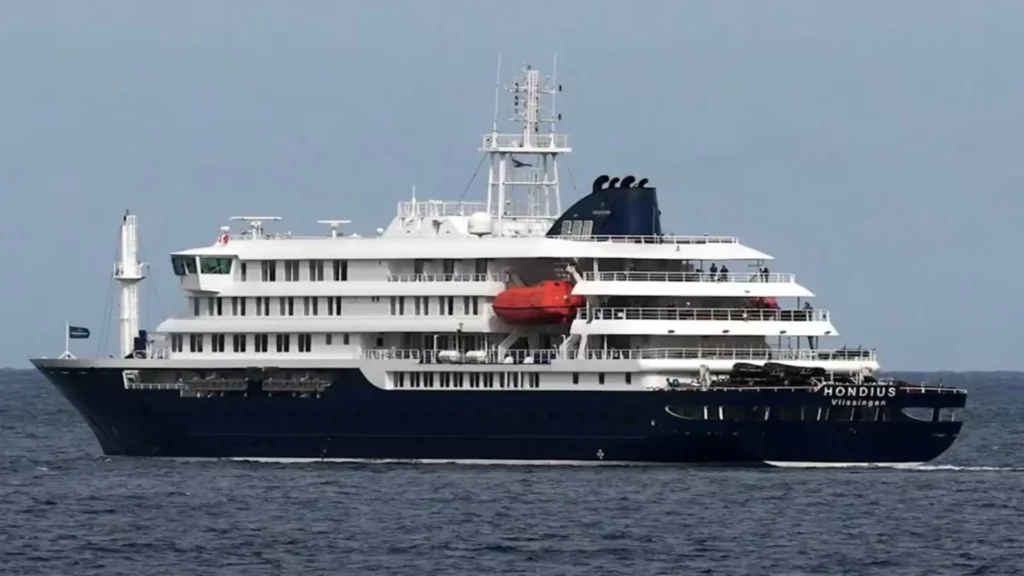
In April, a cruise ship named MV Hondius departed from the port of Ushuaia, Argentina. It carried approximately 150 passengers and crew from 28 different countries. Two Dutch travelers went to a bird watching landfill in South America and contracted hantavirus from rats there. The virus then began spreading to other passengers. Five people have tested positive so far, and three have died.

On April 24, the ship docked at St. Helena Island, where 29 passengers disembarked. One of them was found dead. At the time, no one knew they were infected with Hantavirus. These passengers went to 12 different countries around the world. Now the governments of these countries are searching for them and trying to isolate them.
What is Hantavirus and how does it spread?
Hantavirus is usually spread through the urine, saliva, or feces of rodents. It can become airborne and enter the human body through breathing. Sometimes it spreads through bites or eating contaminated food. But the Andes strain found this time can also spread from person to person.

According to a study by Chilean scientists, the virus is found in the saliva, urine and nasal mucus of an infected person. Especially if a person is very sick. It can also spread through kissing, drinking through a straw, or coughing or sneezing. One study found that sex partners are 10 times more likely to become infected than other household members. But it still doesn’t spread as easily as the common cold or COVID.
Where did the passengers go?
Passengers disembarking at St. Helena traveled to several countries like Canada, the United States, Saint Kitts and Nevis, the United Kingdom, the Netherlands, Sweden, Denmark, Germany, Switzerland, Turkey, Singapore, and New Zealand. Several other countries may also be affected as the ship is heading towards Spain’s Canary Islands. Countries like Argentina, Cape Verde, Israel and Spain are also monitoring the total. Health officials are contacting all these passengers and advising them to remain in quarantine.
What are the experts’ opinion?
Many experts believe this disease will not become the next COVID-19. Professor Paul Hunter says that hantaviruses have been with us for decades. This incident will not pose much threat to Europe. Professor Francois Balu says the virus can spread through coughing and sneezing, but very close contact and a high viral load are necessary.
Earlier in 2020, 11 people died in Argentina’s Chubut province. That time, too, the spread was caused by super-spreaders. But now it’s being contained through contact tracing and isolation. The virus’s R number (the number of people a person can infect) was initially around 2.12, but after control measures, it dropped below 1.
How much danger is there and what precautions should be taken?
The risk to the general public is very low. Only those who have come into close contact with an infected person need to worry. Transmission is more likely in enclosed spaces like ships, but it won’t spread easily in normal life. There’s no evidence yet that the virus has mutated.
This has happened in South America before. The World Health Organization and governments are closely monitoring the situation. If someone feels down or sick then he/she should consult with the doctor immediately.
Edited by: Bhoomi Goyal
Read More: Big blow to Trump! US court rejects new tariff order, says trade law misused