

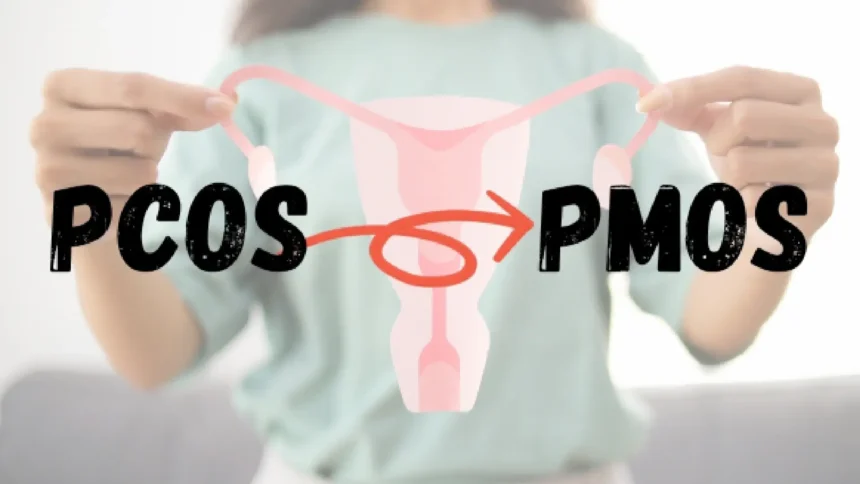
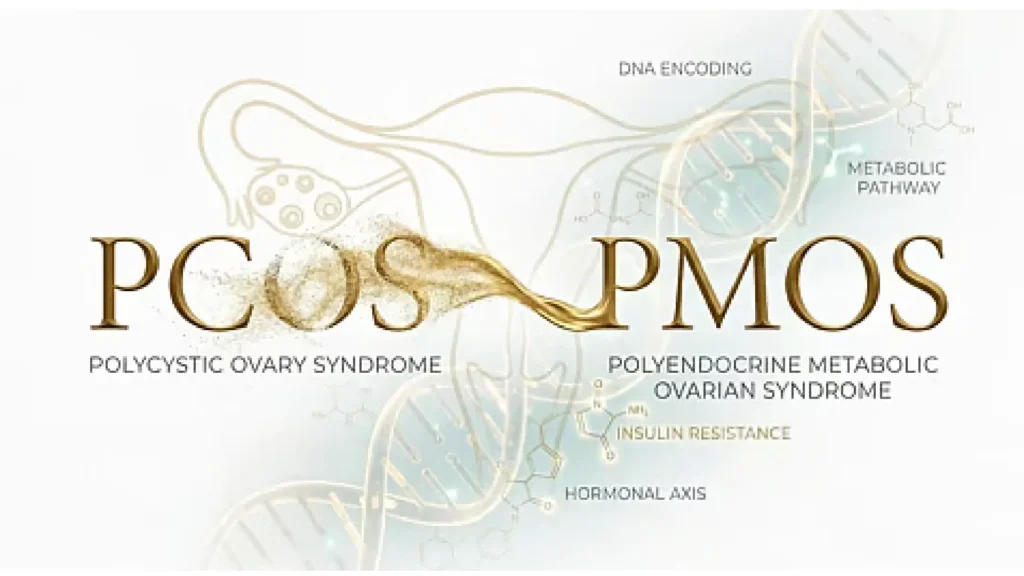
A new study has been published in the journal ‘The Lancet’ regarding the name of a medical condition. Polycystic ovary syndrome (PCOS) has been renamed polyendocrine metabolic ovarian syndrome (PMOS), directly affecting 170 million women worldwide. This change will accelerate the diagnosis and testing of PCOS (now PMOS).
Terminology in women's healthcare is evolving.
Dr. Garima Kachhawa (AIIMS Delhi) discusses the transition from PCOS to Polyendocrine Metabolic Ovarian Syndrome (PMOS). By recognizing the condition as a metabolic and endocrine challenge rather than just a reproductive one,… pic.twitter.com/7Vns9YMFzk
— AIIMS, New Delhi 🇮🇳 (@aiims_newdelhi) May 15, 2026Why will 17 crore women be affected?
This name will affect on 17 crore because according to media reports, 17 crore women are affected today in the world with PCOS. In a study published by The Lancet, one in every eight women is affected by this syndrome and faces with serious health issues. It is deeply connected to their hormones, fertility and overall health.
Why was the decision to change the name taken?
After years of effort, PCOS was renamed PMOS because the name was delaying diagnosis, diagnosis, and treatment, preventing women from receiving timely treatment and leading to prolonged struggles.
In the published study, researchers say that for a long time, PCOS was considered a gynecological or ovarian disorder. However, a growing body of research and evidence suggests that the condition also involves endocrine disturbances involving insulin, androgen, neuroendocrine, and ovarian hormones.
Why was there a delay?
The study says that the presence of ovarian cysts was once considered a prerequisite for the diagnosis of polycystic ovary syndrome. However, it has long been observed that not every woman with PCOS necessarily has ovarian cysts. Many women can experience this condition without cysts. This has led to delays in the diagnosis and treatment of PCOS.
Reason for adding the words endocrine and metabolic
Researchers say the reason for renaming PCOS to include the terms endocrine and metabolic is based on its symptoms. Since the condition can manifest as endocrine, metabolic, reproductive, psychological, and dermatological symptoms, the term endocrine and metabolic is essential to ensure these factors are considered equally in the diagnosis.
Symptoms will be considered
Women aged 20 years or older must have at least two of the following symptoms, and adolescent girls aged 10 to 19 must have the first two symptoms.
- Oligo Anovulation
- Clinical and biochemical hyperandrogenism
- Polycystic ovaries or high AMH levels on ultrasound
- Metabolic syndrome (obesity, dysglycemia (abnormal blood sugar), type 2 diabetes, hypertension, dyslipidemia (abnormal cholesterol levels), metabolic dysfunction-associated steatotic liver disease, cardiovascular disease, sleep apnea)
- Reproductive symptoms (problems with ovulation, irregular periods, infertility, pregnancy problems, endometrial cancer)
- Psychological symptoms (depression, anxiety, poor quality of life, eating disorders)
- Dermatological symptoms (acne, alopecia (patches of hair loss), hirsutism)
The renaming of PCOS to PMOS highlights the many facets of this medical condition. Simply relating it to the ovaries or cysts could have left many women at risk of going undiagnosed, which could have posed a significant obstacle to managing the condition.
Read more: 10 killed in road accident in UP’s Lakhimpur